Passport vs Visa: What’s the Difference and Which You Need
A passport proves your identity and citizenship. A visa grants permission to enter, work, or stay in a specific country for a set period. The passport vs visa question trips up a lot of first-time travelers because the two documents usually work together instead of standing in for one another. A U.S. citizen carries a passport as proof of identity, and depending on the destination, a visa gets stamped or attached inside that same passport book. Mix the two up, and a trip can stall at check-in or at the border itself.
This guide covers the practical side of the passport vs visa comparison: what each document actually does, what each one costs in 2026, how long each takes to process, and which trips require one, the other, or both.
Passport vs Visa: Definitions and the Core Difference
A passport proves who you are; a visa proves you’re allowed in. That’s the entire passport vs. visa difference. Everything else is detailed.
A passport is a travel document for your own government issues. It confirms your identity, citizenship, and immigration status. A U.S. adult passport book stays valid for 10 years (5 years for children).
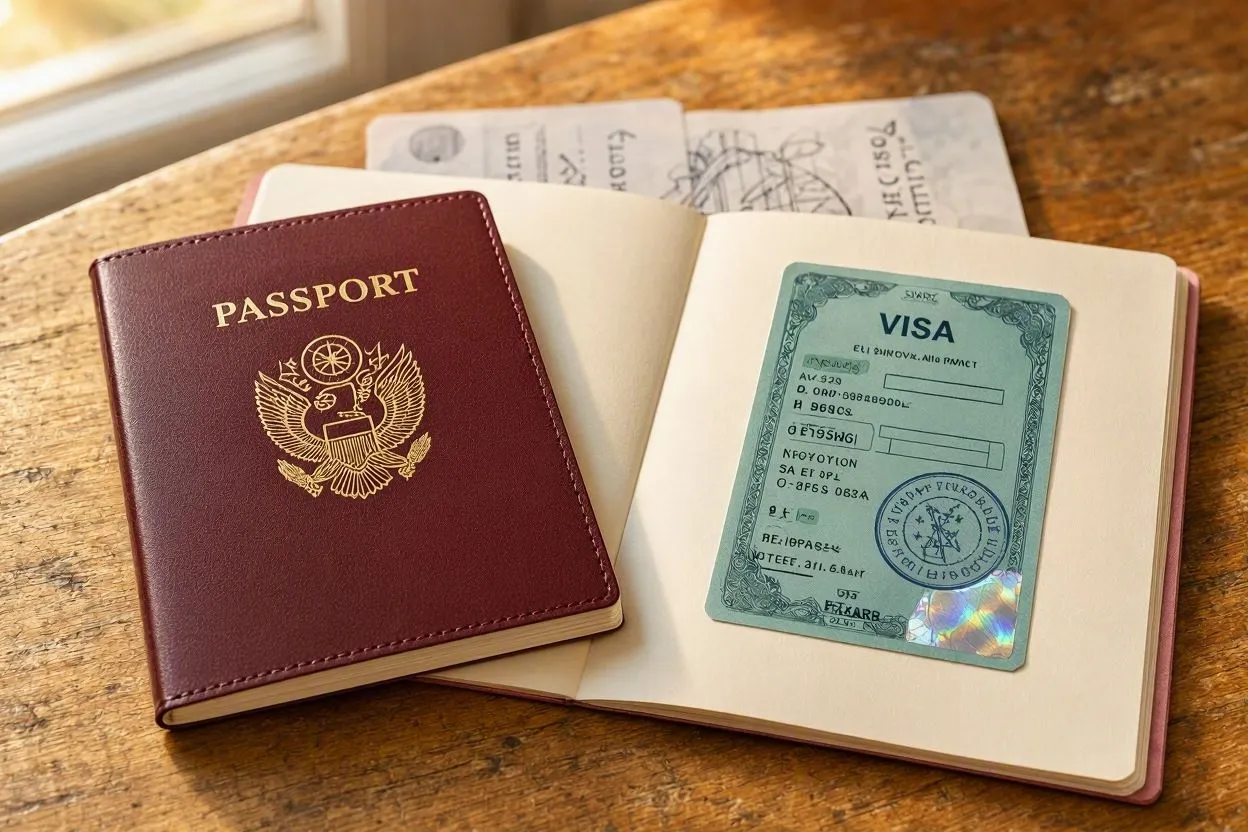
A visa comes from somewhere else entirely. A foreign government issues it, usually as a stamp placed inside your passport, granting permission to enter for a specific purpose and length of time. It says nothing about citizenship. A consular officer approves it in advance, but the final call still belongs to a Customs and Border Protection (CBP) officer standing at the border.
Quick contrast:
- Issuer: your home country issues the passport; the destination country issues the visa
- What it proves: a passport proves identity, a visa proves permission
- Where it lives: the passport is its own booklet or card, the visa gets stamped inside that booklet
- Who needs one: every international traveler needs a passport, but a visa is only for travelers from certain countries, on certain trips
Passport vs Visa: Key Differences at a Glance
The table below breaks the same comparison down feature by feature.
| Feature | Passport | Visa |
| Issued by | Your home country | The country you’re visiting |
| Proves | Identity and citizenship | Permission to enter or stay |
| Where it appears | Standalone booklet or card | Stamped or affixed inside a passport |
| Validity | 10 years (adults), 5 years (minors) | 90 days to 10 years, depending on type |
| Cost (U.S., 2026) | $130–$195 | $185–$315 for nonimmigrant categories |
| Required for | Nearly all international travel | Entry into specific countries only |
Do You Need a Passport, a Visa, or Both?
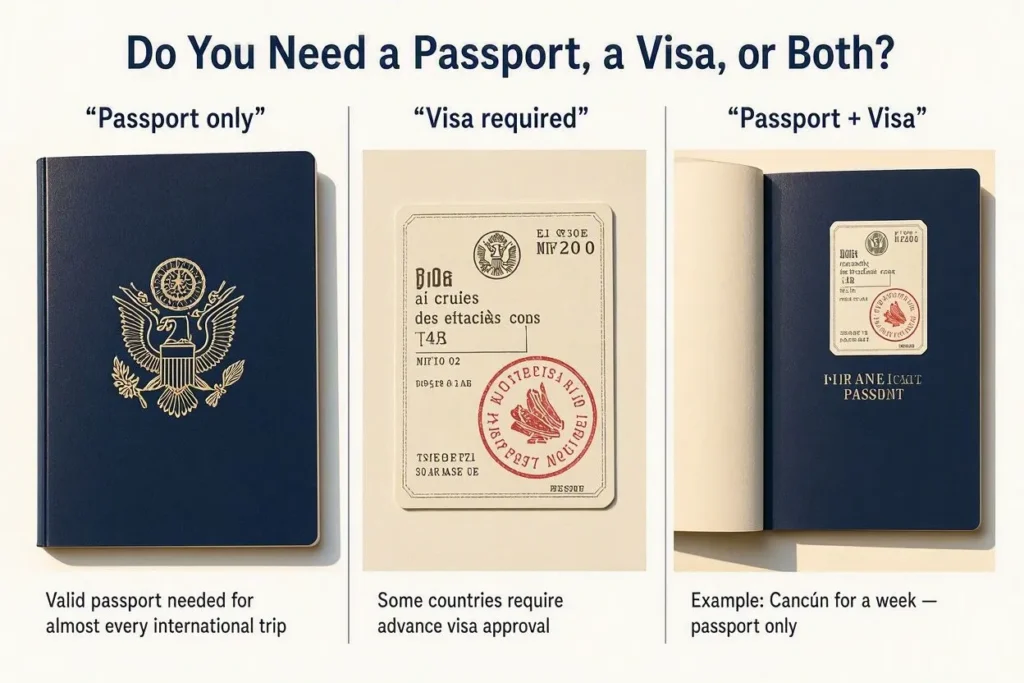
Yes. U.S. citizens need a valid passport for almost every international trip, and some destinations also require a visa on top of that passport. Roughly 190 countries admit U.S. passport holders without a visa for short tourist stays, according to recent passport index rankings. Others, including China and India, require advance visa approval regardless of trip length. A traveler heading to Cancún for a week needs only a passport book. That same traveler flying to Beijing needs both a passport and a Chinese tourist visa secured before departure.
Two exceptions matter here. Land and sea travel to Canada, Mexico, and parts of the Caribbean sometimes allows a passport card instead of a full passport book. Domestic U.S. flights need neither document: a REAL ID-compliant driver’s license covers identification for travel within the United States.
Passport Book vs. Passport Card
A passport book works for all international travel by air, land, and sea. A passport card only works for land and sea crossings into Canada, Mexico, Bermuda, and the Caribbean. The card is wallet-sized, costs less than the book, and can’t be used to board an international flight, full stop.
Frequent border crossers along the U.S.-Mexico or U.S.-Canada line often carry the card for convenience, since it fits in a wallet next to a driver’s license. But someone flying from Detroit to Toronto for a weekend still needs the full passport book. The card won’t get past airport check-in.
Types of U.S. Visas Explained
The United States issues two main visa categories, nonimmigrant and immigrant, and within those categories, more than 20 specific visa types exist for different purposes.
On the nonimmigrant side, five categories cover most travelers:
- B-1/B-2 for business and tourism visits
- F-1 for academic study at a U.S. institution
- J-1, which covers exchange visitor programs, internships, and au pair placements
- H-1B for specialty occupation employment
- L-1 for intracompany transfers at multinational employers
The immigrant side works differently, built around three main paths:
- IR/CR family-sponsored visas, for spouses, children, and parents of U.S. citizens
- EB employment-based visas, for workers sponsored by a U.S. employer
- The Diversity Visa, awarded to applicants selected through the annual visa lottery
Take a graduate student from Brazil accepted into a master’s program at Ohio State University. She applies for an F-1 student visa, not a B-2 tourist visa, because F-1 is the category that matches what she’s actually there to do.
How Much Does a Passport Cost?
A first-time adult passport book costs $165 total. A passport card costs $65 total. Both together run $195, per the Department of State’s 2026 fee schedule. That total splits into two separate payments: a $130 application fee paid to the Department of State for the book (or $30 for the card), plus a $35 execution fee paid directly to the acceptance facility.
Renewals cost less. An adult eligible to renew by mail pays $130 for the book or $30 for the card, with no execution fee attached. Expedited processing adds $60 and cuts the standard 4-6 week wait down to roughly 2-3 weeks. Priority 1-3 day return shipping adds another $22.05 on top of that.
How Much Does a Visa Cost?
A standard U.S. nonimmigrant visa application costs $185 for most categories, including B-1/B-2 tourist visas, while petition-based work visas cost $205 and treaty-based E visas cost $315. This fee, called the Machine-Readable Visa (MRV) fee, gets paid before the applicant schedules an interview. It’s non-refundable, even if the consular officer denies the application.
Additional charges apply depending on the visa type. Student and exchange visitors pay a separate Student and Exchange Visitor Information System (SEVIS) fee: $350 for F-1 and M-1 applicants, and $220 for most J-1 applicants. A newer $250 Visa Integrity Fee also applies at issuance for most nonimmigrant categories, though applicants only pay it once the visa gets approved.
How to Apply for a U.S. Passport
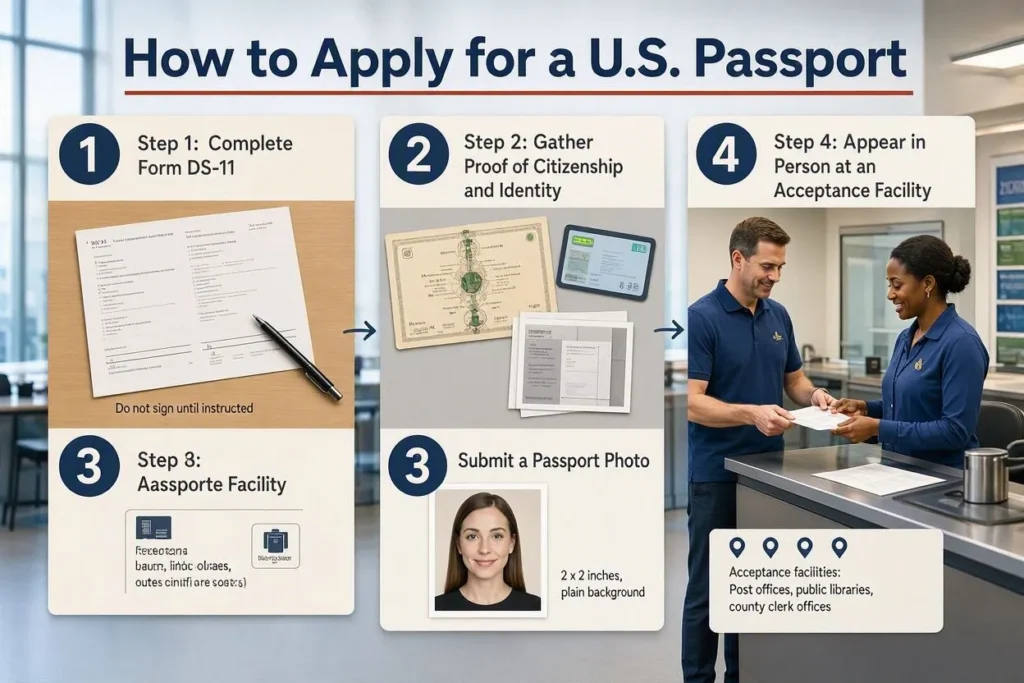
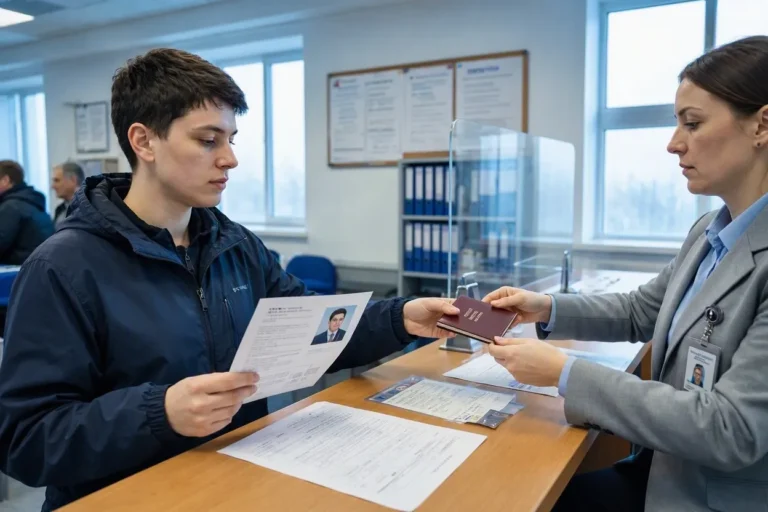
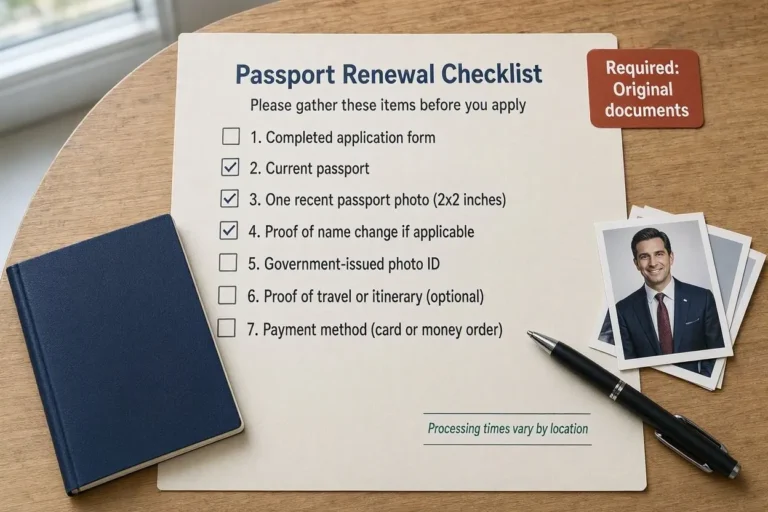
A first-time U.S. passport application requires four steps: complete Form DS-11, gather proof of citizenship and identity, submit a passport photo, and appear in person at an acceptance facility. Post offices, public libraries, and county clerk offices commonly serve as acceptance facilities across the United States.
The process looks like this in practice:
- Complete Form DS-11 online or by hand, but don’t sign it until a facility employee tells you to.
- Gather a certified birth certificate or prior passport as proof of citizenship.
- Bring a valid photo ID, such as a driver’s license.
- Submit a 2×2-inch passport photo taken within the last 6 months.
- Pay the application fee and execution fee as two separate payments.
Standard processing takes 4-6 weeks from the date the acceptance facility submits the application. A traveler with a confirmed flight in 3 weeks should pay the $60 expedite fee right away rather than risk missing the trip.
How to Apply for a U.S. Visa
A nonimmigrant visa application requires completing Form DS-160 online, paying the MRV fee, scheduling an interview at a U.S. embassy or consulate, and attending that interview with supporting documents. Most applicants between ages 14 and 79 must appear in person, though some renewal categories qualify for an interview waiver.
A visa application asks for several documents up front:
- A passport valid for at least 6 months beyond the intended stay
- The DS-160 confirmation page
- The MRV fee payment receipt
- A recent photo meeting State Department specifications
- Something showing the actual purpose of travel, like an employer letter or a school acceptance
Interview wait times vary by embassy and by season. Some posts run appointment backlogs of 2-3 months during peak summer travel periods, so applicants should submit the DS-160 and schedule an interview as early as possible.
The Visa Waiver Program and ESTA
No. Travelers from Visa Waiver Program (VWP) countries skip the visa step for short U.S. visits, but they still need an approved Electronic System for Travel Authorization (ESTA). Forty-two countries currently participate, among them the United Kingdom, Japan, Australia, and most of the European Union.
Once approved, an ESTA covers stays of up to 90 days for tourism or business. It costs $40.27 as of January 1, 2026, and stays valid for 2 years or until the passport it’s tied to expires, whichever happens first. Take a German citizen planning a 10-day trip to New York: she applies for an ESTA online instead of a B-2 visa, since Germany is a VWP country. Worth noting, an ESTA isn’t a visa. It won’t cover study, long-term work, or any stay past 90 days.
Passport and Visa Rules for Minors
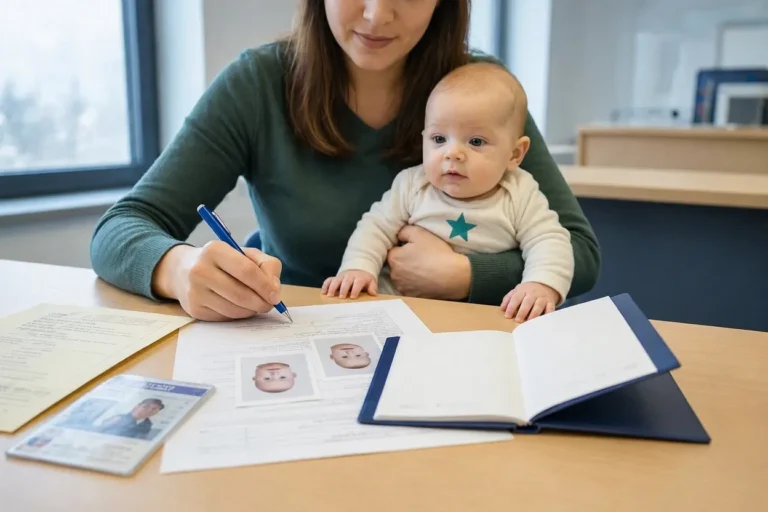
Yes. Every child needs a passport of their own for international travel, no matter how young, infants included. Children under 16 must apply in person using Form DS-11, and both parents or legal guardians generally need to appear together or provide notarized consent if one parent can’t attend.
A child’s passport book costs $135 total ($100 application fee plus $35 execution fee) and stays valid for 5 years instead of 10. Visa requirements for minors mirror adult requirements in most categories. A 10-year-old traveling to China for a family visit still needs a Chinese visa, applied for on their behalf by a parent or guardian.
Green Card vs Visa vs Passport
A green card, formally called a Permanent Resident Card, proves lawful permanent residence in the United States. A visa proves permission for temporary entry, and a passport proves citizenship in a home country. All three get confused constantly in search queries, but each one answers a completely different legal question.
Here’s how that plays out in practice: a software engineer from South Korea lands an H-1B job offer. He carries a Korean passport for identity, holds an H-1B visa for initial entry, and, if later approved for permanent residence through employer sponsorship, gets a green card that replaces the need for a work visa entirely. The passport stays Korean the whole time. Only the U.S. immigration status changes.
Common Mistakes When Comparing a Passport and a Visa
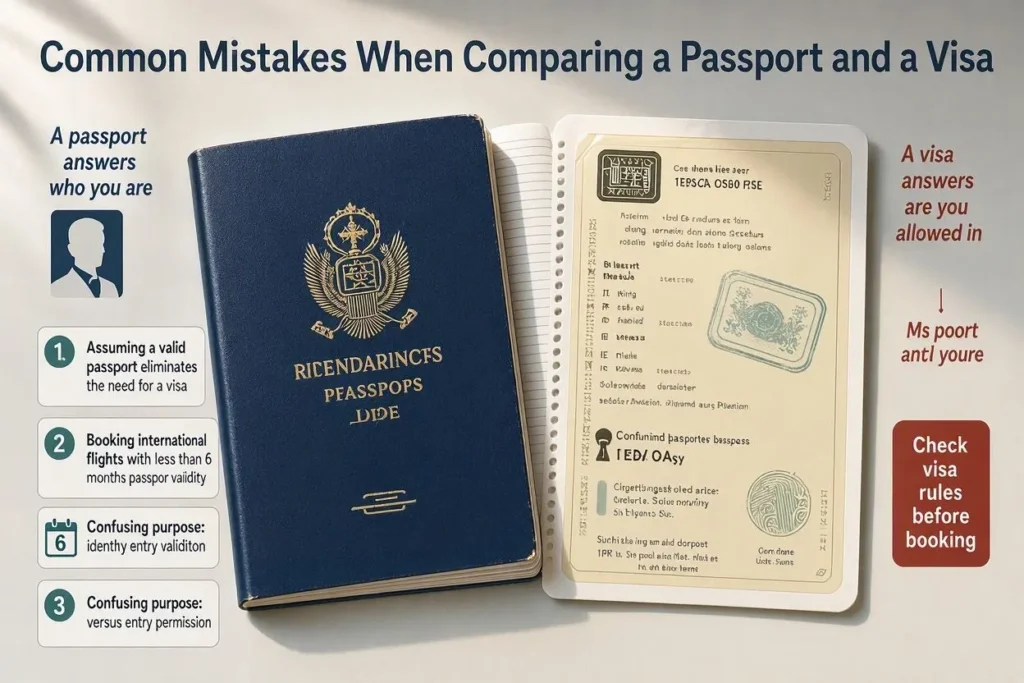
The most common mistake is assuming a valid passport eliminates the need for a visa. The two documents answer completely different questions. A passport answers “who are you.” A visa answers “are you allowed in?” Holding one says nothing about the other.
Frequent errors include:
- Booking international flights with a passport expiring in less than 6 months, since many countries deny boarding under their own passport-validity rules
- Assuming a passport card works for international flights, when it only covers land and sea travel to a limited set of countries
- Applying for the wrong visa category, such as a B-2 tourist visa for someone actually planning to study
- Missing the MRV fee receipt’s 365-day expiration window before scheduling an interview
- Forgetting that children need individual passports, even for family trips where parents already hold valid ones
A traveler who books a flight to Vietnam 4 months before their passport expires risks getting turned away at boarding, since Vietnam requires 6 months of remaining validity at entry.
Conclusion
A passport and a visa solve two different problems, and international travel usually requires solving both. The passport proves identity and citizenship for the traveler’s entire life until renewal. The visa grants time-limited permission from whichever country that traveler wants to enter. Check passport expiration dates before booking any international flight, confirm visa requirements by nationality and destination through the relevant embassy website, and apply early. A 4-6 week passport wait or a 2-3 month visa interview backlog can turn a minor oversight into a canceled trip.
FAQs

Michael Reynolds
Michael Reynolds leads ImmigrationWin’s immigration, visa, and global mobility content division. He specializes in researching immigration policies, visa requirements, application processes, and international relocation pathways for individuals, families, students, and professionals. With extensive experience analyzing immigration regulations and official government guidance, Michael brings a research-driven approach to complex immigration topics and changing visa policies. He is the primary author of ImmigrationWin’s visa guides, immigration resources, and country-specific content, helping readers better understand their options and make informed decisions about their international journey.
Related Posts