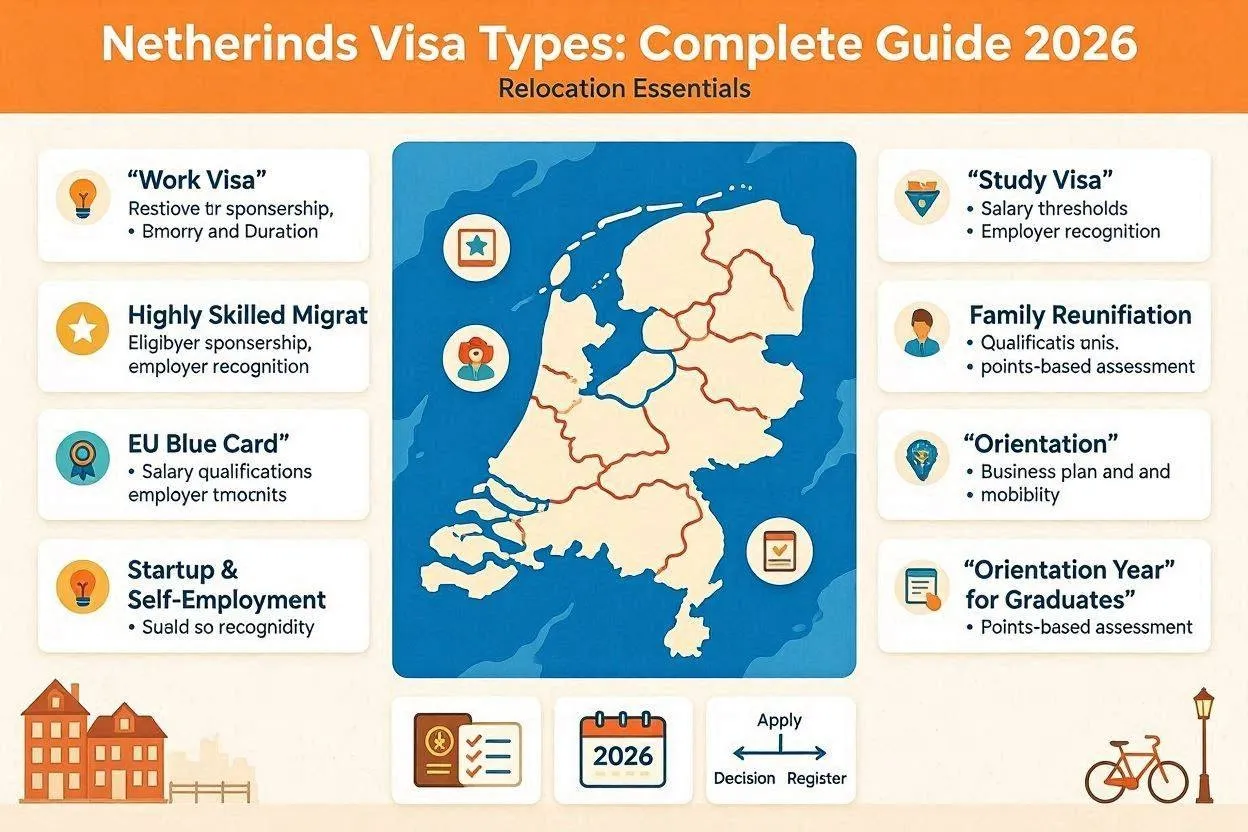
Netherlands Visa Types: Complete Guide for Relocation in 2026
The main Netherlands visa types include short-stay Schengen visas, transit visas, and long-stay visas (MVV) for residency. Your purpose of travel, your nationality, and your planned duration of stay determine the exact category you require.
What Are the Main Netherlands Visa Types for Travelers?
Understanding the legal pathways to the Netherlands requires analyzing the distinct categories available for foreign nationals. The Immigration and Naturalisation Service [IND] establishes clear criteria for each group based on international regulations.
Short-Stay Schengen Visas (C-Visa)
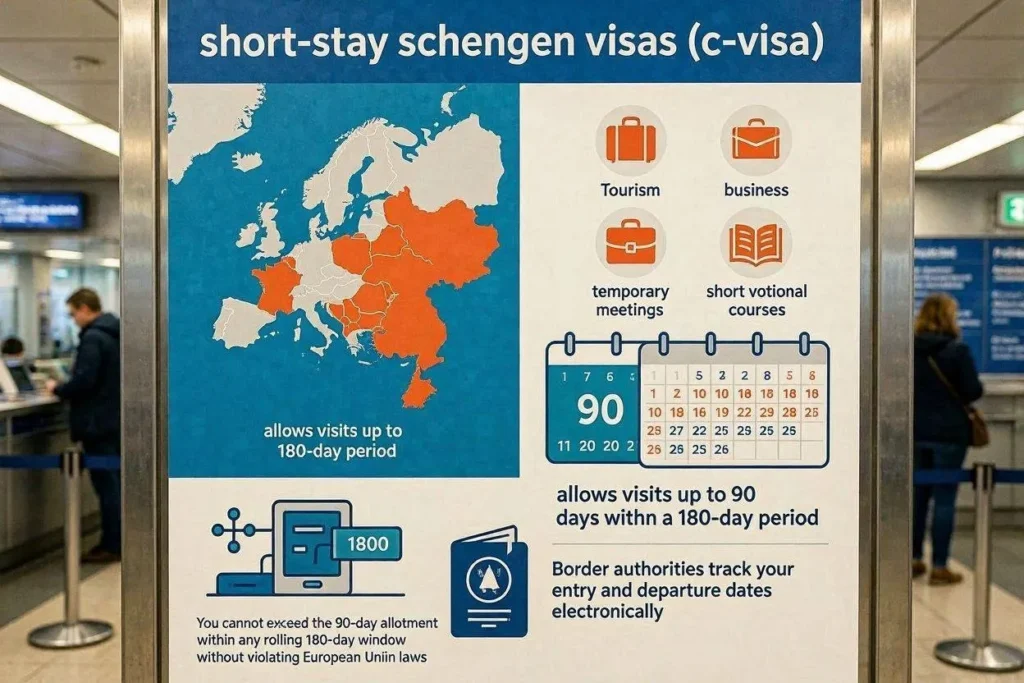
The short-stay Schengen visa allows you to visit the Netherlands for up to 90 days within a 180-day period. This category serves international travelers who visit Europe for tourism, temporary business meetings, short vocational courses, or family visits.
You cannot exceed the 90-day allotment within any rolling 180-day window without violating European Union [EU] laws. Border authorities track your entry and departure dates electronically across the entire Schengen Zone boundary system.
Airport Transit Visas (A-Visa)
The airport transit visa permits you to pass through the international transit zone of a Dutch airport like Schiphol Airport. You cannot enter the regular territory of the Netherlands with this specific document, which applies strictly to citizens of specific nations.
Travelers from designated countries must hold this visa even if they do not leave the airport transit terminal lounge. The document expires immediately once your connecting flight departs for a non-Schengen sovereign destination.
Long-Stay Visas (Machtiging tot Voorlopig Verblijf – MVV)
The MVV visa allows you to enter the Netherlands for a continuous period exceeding 90 days. You must apply for a formal residence permit alongside this national visa to secure your long-term legal status across the country.
The IND processes the MVV and the residence permit simultaneously as part of the Entry and Residence Procedure [TEV]. You must collect the physical MVV stamp from your local Dutch embassy before traveling to Amsterdam.
How to Apply for a Dutch Short Stay Visa
To apply for a Dutch short stay visa, you must submit a completed application form to the designated embassy or consulate. You must arrange your appointment 3 months before your intended travel date via certified external service providers.
Gathering Core Documents for Short Stays
You must provide a valid passport with at least 2 blank pages for stamping. The passport must remain valid for a minimum of 3 months beyond your planned departure from the unified Schengen Area boundaries.
You must submit 2 recent passport photographs for identity verification purposes. The photographs must measure exactly 1.4 inches by 1.8 inches (35mm by 45mm) and display a clear background according to standard specifications.
Securing Travel Medical Insurance
You must purchase travel medical insurance with a minimum absolute coverage of 30,000 Euros ($32,500 USD). This specific policy must cover all medical emergencies, urgent hospital care, and emergency repatriation expenses across the entire Schengen Zone.
Your insurance provider must maintain a physical office presence inside the European Union territory to ensure rapid claim settlements. You must present the insurance certificate policy document during your official passport control check.
Proving Financial Sufficiency
You must demonstrate that you possess at least 55 Euros ($60 USD) per day for the entire duration of your stay. You can prove this amount by presenting 3 recent consecutive bank statements to the consular authorities.
Sponsors can alternatively provide a legal financial guarantee form if your personal funds fall below this structural threshold. The sponsor must demonstrate stable earnings by presenting their formal employment agreement.
Which Netherlands Work Permit Types Suit Your Profession?
The Immigration and Naturalisation Service [IND] offers specific Netherlands work permit types based on your job role, your salary, and your qualifications. You must secure a formal employment contract with a recognized Dutch employer before executing your primary visa application.
You can review how to apply for work permit pathways to understand structural employer obligations before filing documents.
Highly Skilled Migrant Visa
The highly skilled migrant visa targets qualified professionals who earn a high premium salary in the Netherlands. Your corporate employer must hold recognized sponsor status with the IND to utilize this expedited immigration pathway.
The 2026 gross monthly salary thresholds dictate specific minimum payments for global workers. Professionals aged 30 or older must earn at least 5,500 Euros ($5,950 USD) per month excluding statutory holiday allowances. Professionals under the age of 30 must earn at least 4,000 Euros ($4,330 USD) per month.
Intra-Corporate Transfer (ICT) Visa
The ICT visa allows multi-national corporations to transfer managers, structural specialists, and trainees to a Dutch corporate branch. The transfer period must not exceed 3 years for managers and specialists, or 1 year for trainees.
You must prove that you worked for the parent corporation for at least 3 continuous months prior to your transfer. The corporate entity must file the application directly to the IND via their digital employer portal.
Single Permit (GVVA)
The GVVA combines the residence permit and work permit into 1 unified document for regular technical employees. The Employee Insurance Agency [UWV] reviews the local labor market to confirm that no Dutch or EU citizens can fill the position.
The processing time for a standard GVVA card takes up to 90 days from the initial file submission. Employees must remain with their specific approved employer unless they apply for a brand new permit transition.
What Are the Netherlands Study Visa Options for International Students?
The Netherlands study visa options allow international students to enroll in recognized Dutch universities, research institutions, and vocational colleges. Your educational institution acts as your official immigration sponsor throughout the whole processing timeframe.
Higher Education Student Visa
The higher education student visa permits formal enrollment in full-time Bachelor, Master, or PhD programs. Your hosting university submits the visa application directly to the IND after you pay the first annual tuition fees.
You must maintain satisfactory academic progress by earning at least 50% of the required university credits each academic year. Failure to achieve these credits results in the immediate cancellation of your legal student residency card.
Orientation Year Visa (Zoekjaar)
The orientation year visa allows graduates from top global universities to spend 12 months in the Netherlands. You can use this year to look for an active job as a highly skilled migrant without requiring a separate work permit.
You can apply for this specific document within 3 years of completing your graduation degree from an approved institution. The application fee for the search year permit currently costs 210 Euros ($227 USD) in 2026.
How to Establish a Business via the Dutch Startup Visa Requirements
To establish a business via the Dutch startup visa requirements, you must work with a recognized facilitator to develop an innovative product or service. Your business idea must offer a clear, tangible benefit to the competitive economy of the Netherlands.
Finding a Recognized Facilitator
You must sign a formal agreement with an IND-approved facilitator operating within Dutch borders. The facilitator provides regular guidance, office workspace, and business mentorship during your critical first year of corporate operations.
The facilitator must possess sufficient financial stability and experience to guide your innovative business entity forward. You must participate in regular mandatory evaluations to prove your ongoing operational progress.
Creating an Innovative Business Plan
Your business plan must detail the innovative nature of your product, your operational structure, and your financial planning. The Netherlands Enterprise Agency [RVO] evaluates this plan using a strict point system covering individual track records.
The business idea must bring a new product format, automated system, or manufacturing method to the local marketplace. You must prove you hold a step-by-step role in managing the startup daily operations.
Who Qualifies for a Netherlands Family Reunification Visa?
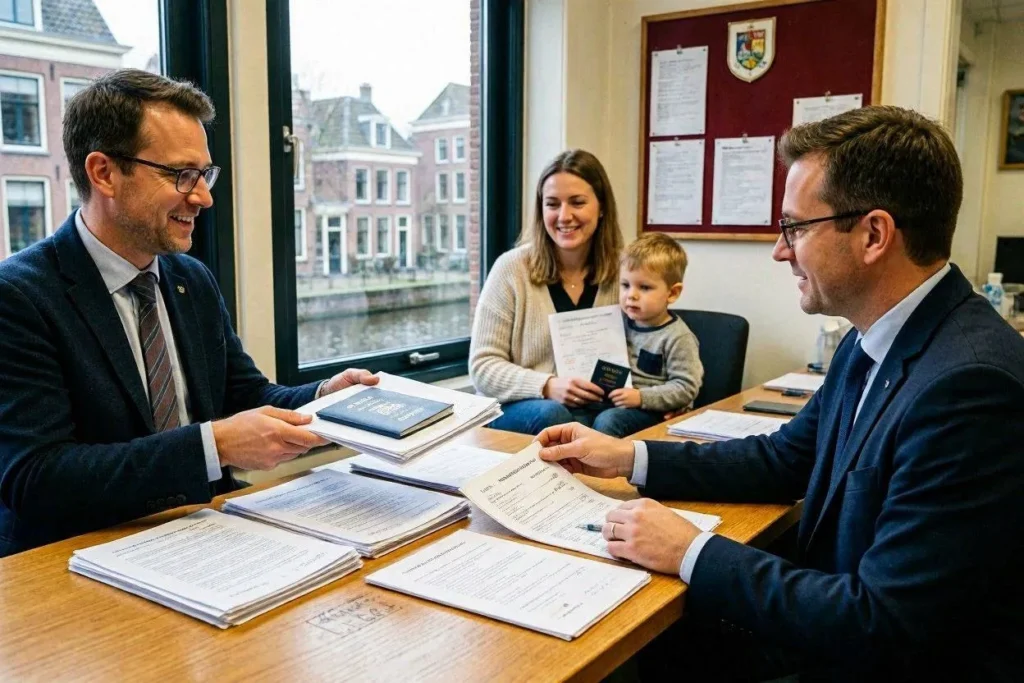
A Netherlands family reunification visa allows spouses, registered partners, and minor children of legal Dutch residents to move to the Netherlands. The sponsoring partner must prove a stable, independent income that meets the current statutory minimum wage limits.
Spousal and Partner Requirements
You must be at least 21 years old to sponsor your legal spouse or long-term partner. Both partners must pass the basic civic integration exam at a local embassy before traveling to the Netherlands.
The IND requires comprehensive documentation proving your legal marriage certificate or long-term relationship history records. Unmarried partners must sign a formal declaration of relationship status under oath.
Minor Children Provisions
You can sponsor biological, adopted, or foster children if the children are under 18 years old. The children must form a continuous part of your personal household in the Netherlands.
You must hold sole or joint legal custody over the minor children to secure visa approval. If you hold joint custody, you must provide a signed consent letter from the non-moving parent.
What Is the Quick-Reference Process for Dutch Visas?
The table below details the processing timelines, submission methods, and difficulty levels for the main Netherlands visa categories.
| Visa Category | Processing Time | Submission Method | Application Difficulty |
| Short-Stay Schengen | 15 to 45 Days | VFS Global External Center | Moderate |
| Highly Skilled Migrant | 2 to 4 Weeks | IND Online Sponsor Portal | Low for Applicants |
| Student Visa | 2 to 6 Weeks | University Portal Submission | Low |
| Startup Visa | 1 to 3 Months | IND Paper or Digital Form | High |
| Family Reunification | 90 Days | IND Embassy or Online Portal | High |
How to Transition from Temporary Visas to Permanent Residency
To transition from temporary visas to permanent residency, you must reside legally in the Netherlands for 5 consecutive years. You must maintain a valid residence permit throughout this entire period without any structural gaps.
Passing the Civic Integration Examination
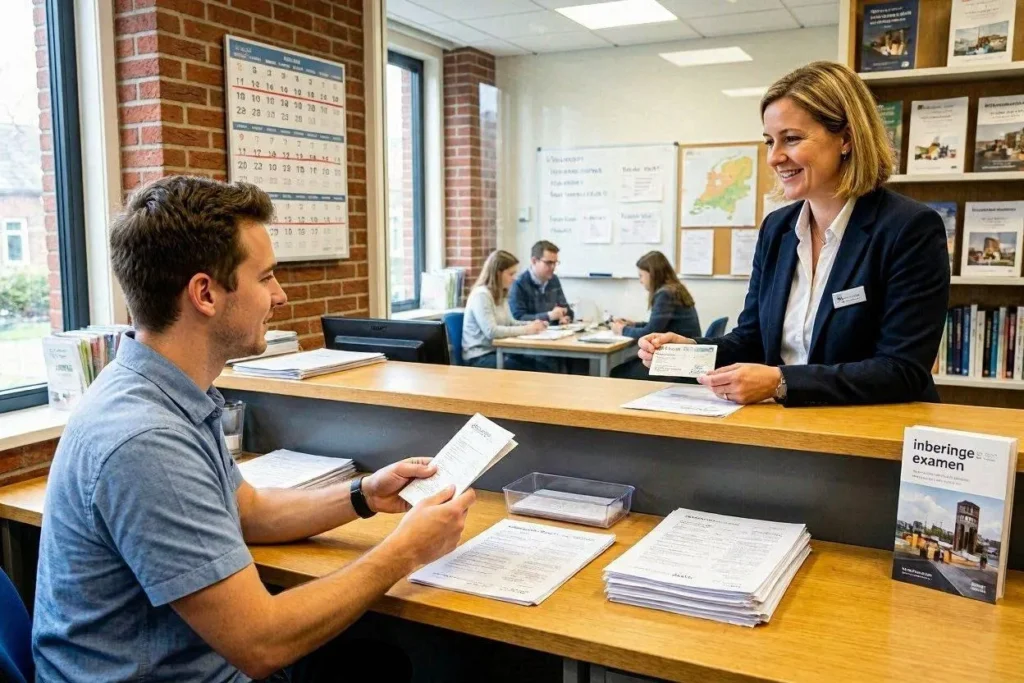
You must pass the civic integration examination [Inburgeringsexamen] at the required national language level. This exam tests your knowledge of Dutch society, Dutch employment markets, and functional Dutch language skills.
The exam consists of 6 separate parts, including reading, writing, listening, speaking, and social knowledge. You must complete all modules successfully within your given integration timeline.
Demonstrating Long-Term Income Stability
You must prove that you earn a stable, independent income by submitting an active employment contract. This contract must remain valid for at least 12 months at the time of your application. You can obtain permanent residency status after fulfilling these strict financial criteria to secure long-term protection.
Frequently Asked Questions About Netherlands Visa Types
Can you work in the Netherlands with a short-stay Schengen visa?
No. A short-stay Schengen visa does not permit you to engage in employment within the Netherlands. You must secure a specific work permit to perform legal work. You can check Schengen requirements to learn about the strict limitations of tourist entries before planning trips.
Is the civic integration exam mandatory for highly skilled migrants?
No. Highly skilled migrants do not need to pass the civic integration exam to get a temporary residence permit. You only need this exam if you apply for permanent residency later.
Does a Dutch student visa allow full-time employment?
No. A Dutch student visa limits your work hours to a maximum of 16 hours per week during the academic semester. You can work full-time only during the summer months of June, July, and August.
Can you extend a short-stay Schengen visa past 90 days?
No. The IND extends short-stay visas only in cases of extreme force majeure, humanitarian emergencies, or serious medical treatment. You must leave the Schengen Zone before your 90 days expire.
Is a BSN assigned automatically when your visa is approved?
No. You do not receive a BSN automatically upon visa approval. You must register at the local town hall [Gemeente] after your arrival in the Netherlands to obtain your personal BSN.
Securing Your Future in the Netherlands
Choosing the correct visa path establishes the foundation of your successful relocation to Europe. Navigating the complex documentation rules, salary criteria, and sponsor obligations requires precise execution. If you need professional assistance with your relocation strategy, contact our experienced immigration consultants to streamline your application today.

Michael Reynolds
Michael Reynolds leads ImmigrationWin’s immigration, visa, and global mobility content division. He specializes in researching immigration policies, visa requirements, application processes, and international relocation pathways for individuals, families, students, and professionals. With extensive experience analyzing immigration regulations and official government guidance, Michael brings a research-driven approach to complex immigration topics and changing visa policies. He is the primary author of ImmigrationWin’s visa guides, immigration resources, and country-specific content, helping readers better understand their options and make informed decisions about their international journey.
Related Posts